
A broken nose, also called a nasal fracture or nose fracture, is a break or crack in a bone and / or in the cartilage in your nose. These breaks most often occur over the bridge of the nose or in the septum. The nasal septum is the structure that divides the nasal passages.
Broken nose causes
Common causes of a broken nose include contact sports, fighting, falls and motor vehicle accidents that result in trauma. Signs and symptoms of a broken nose include pain, swelling and bruising around your nose and under your eyes – your nose may look crooked, and you may find it difficult to breathe. Treatment for a broken nose may include procedures to realign your nose.
Broken nose symptoms
- Bruises around the eyes and/or a slightly crooked nose following injury usually indicate a fractured nose
- If the bones are pushed over or out to one side, immediate medical attention is ideal, but once soft tissue swelling distorts the nose, waiting 48-72 hours for a doctor’s appointment may actually help the doctor in evaluating your injury as the swelling recedes – apply ice while waiting to see the doctor
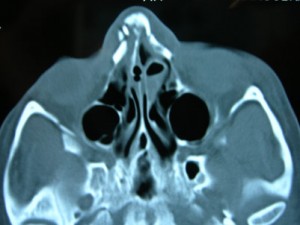
- What’s most important is whether the nasal bones have been displaced, rather than just fractured or broken – imaging with an x-ray or CT scan may help confirm a displaced nasal fracture
Broken nose surgery
For noticeably displaced bones, surgeons often attempt to return the nasal bones to a straighter position under local or general anesthesia. This is usually done within seven to ten days after injury, so that the bones don’t heal in a displaced position. Because so many fractures are irregular and won’t “pop” back into place, the procedure is successful only half the time. Displacement due to injury often results in compromised breathing so corrective nasal surgery, typically rhinoplasty surgery, may then be needed. Rhinoplasty surgery is typically done on an outpatient basis, and patients usually plan to avoid appearing in public for about a week due to swelling and bruising.
Symptoms of a broken nose
Signs and symptoms of a broken nose may appear immediately or may take up to three days to develop.
Signs and symptoms may include:
- Pain or tenderness, especially when touching your nose
- Swelling of your nose and surrounding areas
- Bleeding
- Bruising around your nose or eyes
- Crooked or misshapen nose
- Difficulty breathing through your nose
- Discharge of mucus from your nose (rhinorrhoea)
- Feeling that your nasal passages are blocked
Causes of a broken nose
- As the nose is the most prominent feature on your face — protruding unprotected— it’s also the facial feature most at risk of injury
- Broken noses account for approximately 40% of all facial fractures
- Your nose is supported by cartilage (in the front) and bone (on the back and bridge) – when this framework of bone and cartilage is struck with a force, the bones can crack or fracture — resulting in a broken nose
Common causes of a broken nose include:
- Injury from contact sports, such as football, basketball or soccer
- Fighting, when punches are thrown
- Motor vehicle accidents
- Falls
- A broken nose can even be caused by activities such as walking into a fixed object or by rough, wrestling-type play
Complications of a broken nose – other broken nose symptoms
Deviated septum
A nose fracture may cause a deviated septum, a condition that occurs when the thin wall dividing the two sides of your nose (nasal septum) is displaced to one side, narrowing your nasal passage on that side. Medications can help you manage a deviated septum, though surgery is required to correct the condition.
Collection of blood (nasal septal haematoma)
Sometimes, a collection of blood called a septal hematoma may accompany a nose fracture. A septal hematoma can block one or both nostrils. Septal hematoma requires emergency surgical drainage to prevent cartilage damage.
Cartilage fracture
If your fracture is due to a forceful blow, such as from an automobile accident, you may also experience a cartilage fracture. If your injury is severe enough to warrant surgical treatment, the surgery would address both your bone and cartilage injuries.
Neck injury
Likewise, nose fractures resulting from high-velocity injuries — like those experienced in motor vehicle accidents — may be accompanied by injuries to your neck (cervical spine). If a blow is strong enough to break your nose, it may also be strong enough to damage the bones in your neck. If you suspect a neck injury, see your doctor immediately
When to see an ENT doctor
Seek emergency medical attention if you experience a nose injury accompanied by a head or neck injury, which may be marked by severe headache, neck pain, vomiting or loss of consciousness
- Difficulty breathing
- Bleeding you can’t stop
- A noticeable change in the shape of your nose that isn’t related to swelling, such as a crooked or twisted appearance
- Clear fluid draining from your nose
What you can do before your appointment
- Immediately after your injury, apply ice to the area to help keep swelling down
- Use light pressure to keep the ice on your nose
- Over-the-counter pain relievers, such as paracetamol, can help reduce pain. Ibuprofen can also help relieve inflammation
Your appointment
If you’re injury is severe, you’ll need to seek immediate medical attention and won’t have time to prepare for your appointment. But, if the injury to your nose is minor — accompanied only by swelling and moderate pain — you may choose to wait before seeing your doctor. This allows time for the swelling to subside, so you and your doctor can better evaluate your injury.
It’s best not to wait longer than a week before seeing your doctor if your signs and symptoms persist.
During this waiting period, get medical attention if:
- The pain or swelling doesn’t progressively get better — and eventually disappears
- Your nose looks misshapen or crooked after the swelling recedes
- You can’t breathe efficiently through your nose even after the swelling subsides
- You experience frequent, recurring nosebleeds
- You have a fever
You’ll probably start by seeing your family doctor or general practitioner – however your doctor will likely refer you to an ENT specialist (Otolaryngologist). If your nose is broken and requires repair this surgery is done as an outpatient procedure. You will need to have the repair done within two to three weeks for best results.
Surgical repair of a broken nose
Fixing displacements and breaks your doctor may use several approaches:
Closed reduction – broken nose surgery
If the break has displaced the bones and cartilage in your nose, your doctor may be able to manually realign them with a nonsurgical procedure called closed reduction. For best results closed reduction should be conducted no more than 14 days after the fracture. During this procedure, your doctor uses a nasal speculum to open your nostrils. Special instruments are used to help realign your broken bones and cartilage and return them to their original positions.
Surgery for broken nose pain relief
You will need pain medications, including local injections and nasal sprays, before the procedure.
Broken nose surgery recovery
- If you experience persistent bleeding related to any nasal fracture, you may need to have your nostrils packed with moistened gauze strips
- These strips will contain an antibiotic ointment to help prevent infection
- Many people choose to stay home for a few days during the recovery process since considerable swelling and bruising are common side effects
Discomfort, swelling and bruising usually improve significantly around one to two weeks after surgery.
Surgery – rhinoplasty or septorhinoplasty
Severe breaks, multiple breaks or breaks that have gone untreated for more than 14 days may not be candidates for closed reduction. In these cases, surgery to realign the bones and reshape your nose (rhinoplasty) may be necessary. If the break has damaged your nasal septum, causing a deviated septum with resulting obstruction or difficulty breathing, then reconstructive surgery called septorhinoplasty (rhinoplasty and deviated septum surgery) may be recommended. Both surgeries are typically performed on an outpatient basis or overnight stay basis.
References
Click here for more information about septoplasty surgery.
Click here for more information about rhinoplasty surgery.